Quick decision tool
Tick whatever is true for your roof. The marker moves toward repair or replacement. It is a way to organize what you know before an inspection, not a diagnosis, and nothing you tick is saved or sent.
When a repair makes sense
A repair is the right call when the problem has a clear, single cause and the rest of the roof still has life in it. The common candidates:
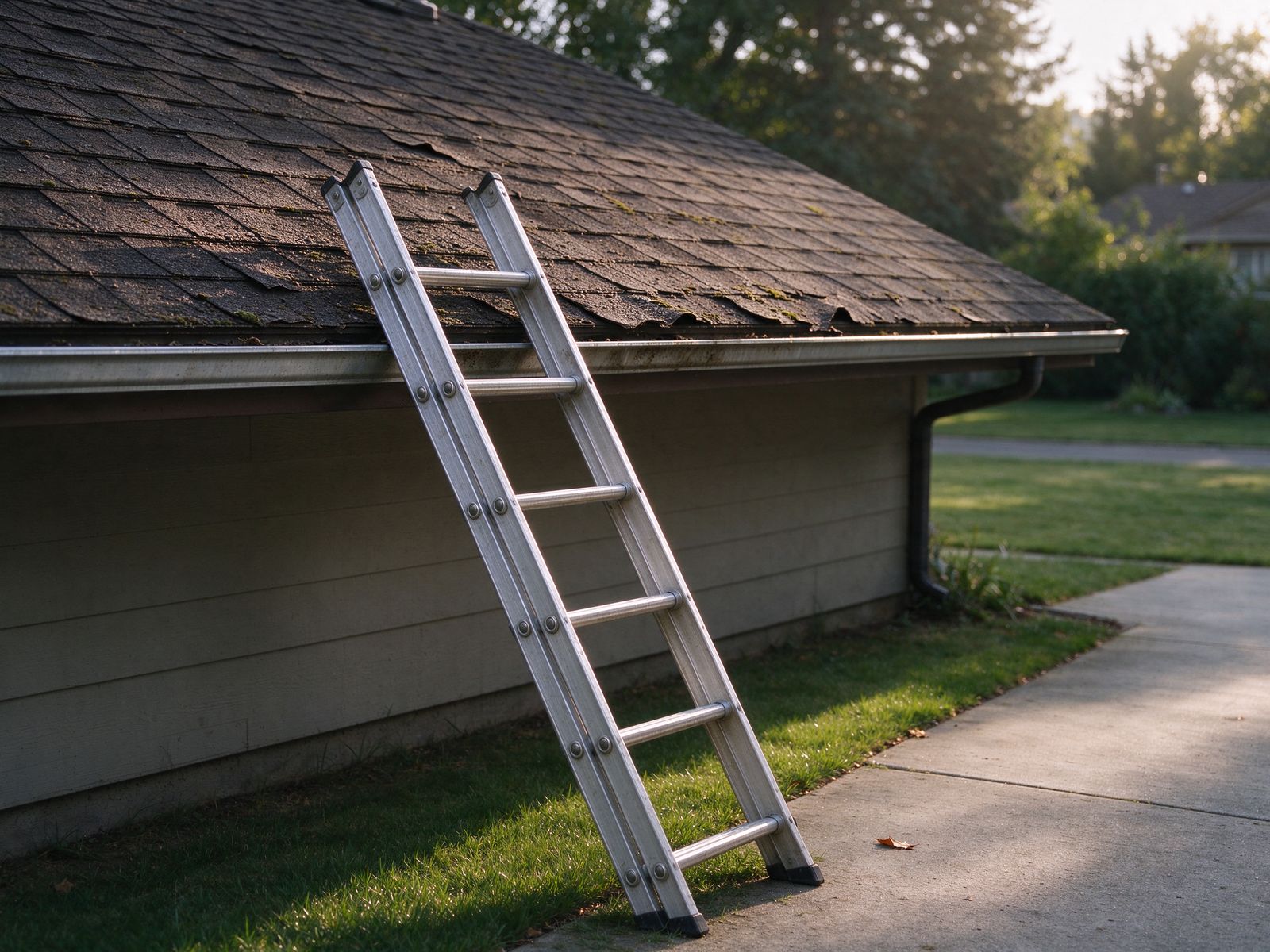
- Wind damage in a few places. A handful of missing or creased shingles on an otherwise sound roof can be replaced, ideally with a matching product.
- A failed pipe boot or vent flashing. Rubber collars around plumbing vents crack in strong sun long before the shingles wear out.
- Flashing at a chimney, wall or skylight. Many leaks are flashing failures. Re-flashing one detail properly is a normal repair.
- A localized ice dam leak. Repair the damage, then deal with the heat loss that caused it.
The test of a good repair is that the contractor can tell you what failed and why. "We sealed it" is not a diagnosis. Ask to see photos of the failed part.
When replacement wins
Replacement becomes the better value when the problem is the whole roof rather than one part of it. Signs that point that way:
- Field-wide wear. Granules gone across a slope, brittle tabs that crack when lifted, widespread curling or blistering.
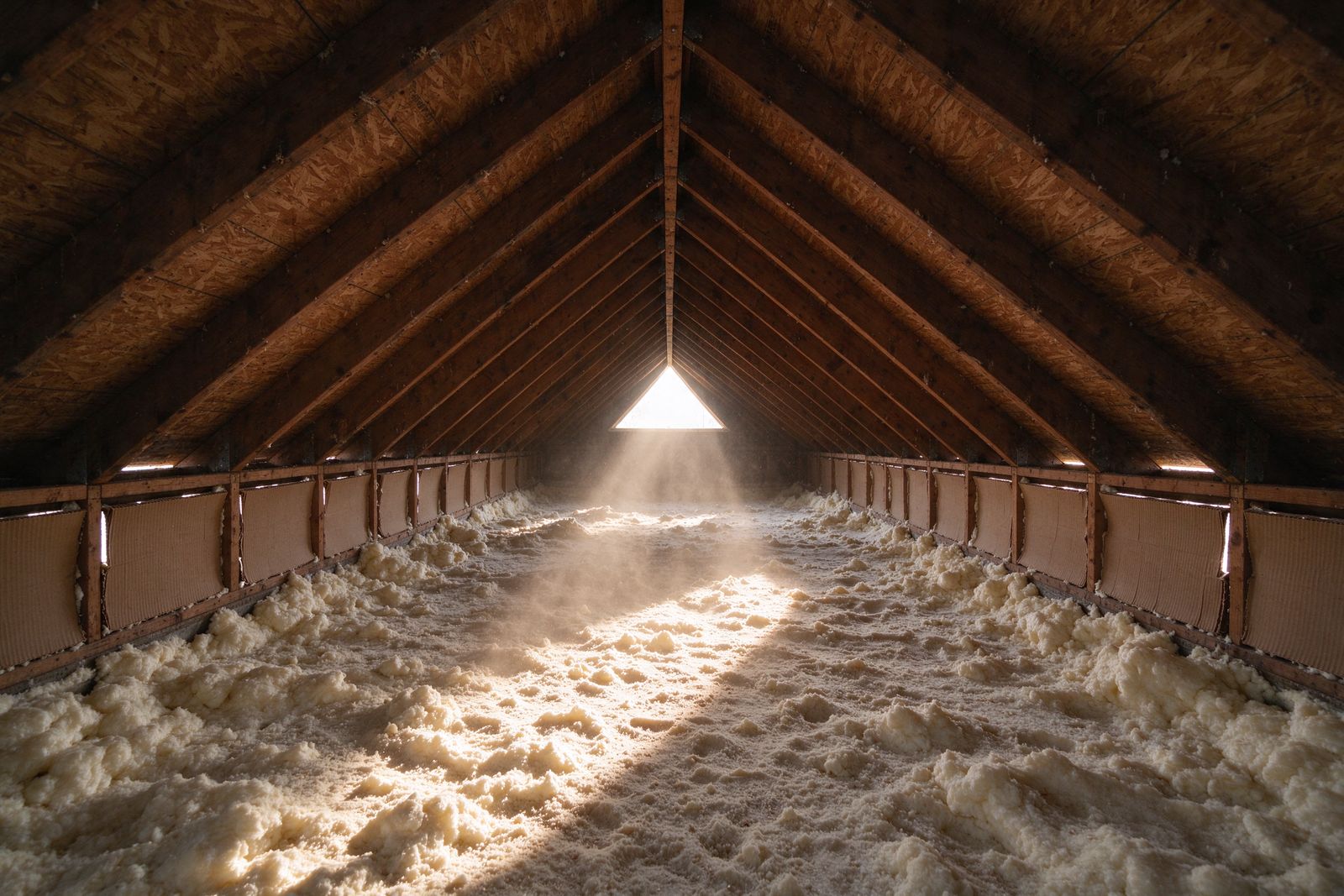
- Deck problems. Soft spots, delaminated sheathing, or widespread staining seen from the attic.
- Leak whack-a-mole. Each repair is followed by a leak somewhere else.
- Layers. Two layers already on the roof usually means the next step is a tear-off.
- A needed change. Different material, better ventilation, upgraded ember resistance, or an ice barrier that was never installed.
Shingles do not fail evenly. South and west slopes often wear out first in the Treasure Valley's sun. A roof with tired back slopes and good front slopes is still a roof near the end, even if the street view says otherwise.
The grey zone: a messy middle worth slowing down for
The hard cases are roofs in mid-life with one real problem. Say a 15-year-old asphalt roof loses a strip of shingles in a spring windstorm. The repair is straightforward, but the replacement shingles will not match the faded originals, and the bid for a full roof is on the table because the contractor is already there.
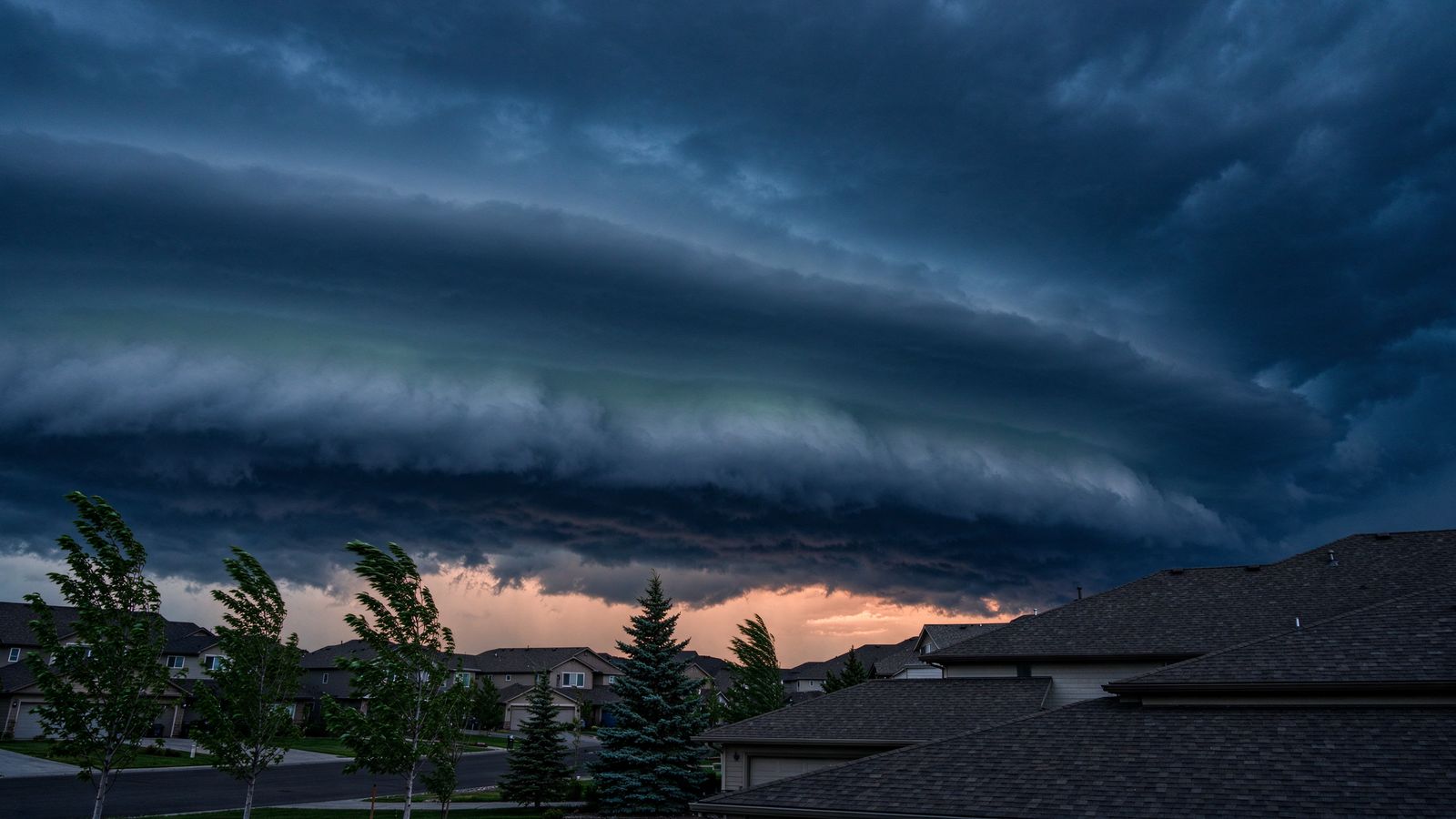
In that situation, slow down. Ask for both options in writing. Ask how many years the inspector honestly thinks the rest of the roof has. If insurance is involved, read the policy's language on matching and on how roof age affects payment, or ask your agent. Our guide to Boise roof storm damage and insurance claims explains the general process.
Comparing a repair bid with a replacement bid
| Item | Repair bid should say | Replacement bid should say |
|---|---|---|
| Cause | What failed and why | Why repair is not recommended |
| Materials | Product used and how it matches | Shingle or panel product, underlayment, ice barrier, flashing, vents |
| Tear-off | Area disturbed | Layers removed, deck inspection, how bad decking is priced |
| Permit | Whether one is needed | Who pulls it and when the city inspects |
| Cleanup | Debris and nails | Magnet sweep, landscaping protection, disposal |
Whichever way you go, check the contractor using how to choose a roofer in Boise.